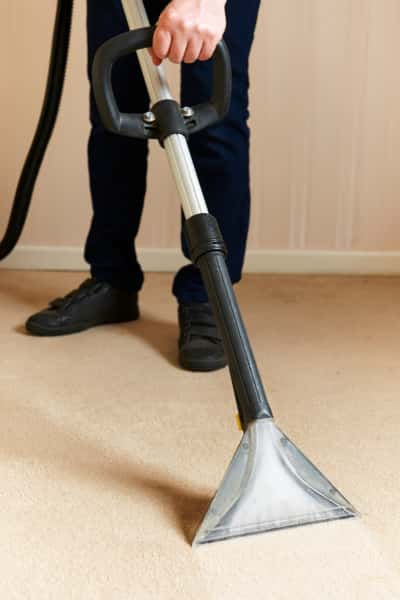
Carpets and rugs perform a similar role within a property, providing a comfortable and attractive textile surface underfoot. Because they can look and feel similar, it is easy to assume that cleaning them involves exactly the same process. In practice, there are important differences in how carpets and rugs are constructed, installed, used and assessed before cleaning.
A fitted carpet is normally secured across the floor and forms part of the room itself. A rug is a separate item that can contain different fibres, backing materials, dyes, fringes and construction methods. These differences influence how contamination becomes trapped and how the material should be cleaned.
For homes and businesses in Buckhurst Hill, Essex, professional carpet and rug cleaning should therefore begin by identifying the surface being treated and assessing its condition. The objective is not simply to apply one cleaning method to every textile floor covering, but to use an approach appropriate to the individual material.
How Do Carpet Cleaning and Rug Cleaning Differ?
The main difference is that fitted carpets and individual rugs need to be assessed according to their particular construction and condition.
Important considerations can include:
- Whether the floor covering is fitted or removable
- The type of fibres present
- The construction of the pile
- The backing or foundation
- Colour stability
- The type and extent of soiling
- Individual stains and marks
- Areas receiving concentrated foot traffic
- Decorative borders or fringes
- The most appropriate cleaning method for the material
Professional cleaning considers these characteristics before treatment rather than assuming every carpet and rug can be approached identically.
Fitted Carpets Form Part of the Room
A fitted carpet normally extends across most or all of a floor and is installed as a permanent surface.
This means cleaning needs to take place while considering the complete room, including entrances, furniture positions, traffic lanes and areas that may have received different levels of use.
The carpet cannot simply be picked up and treated as an independent item.
Professional carpet cleaning therefore involves assessing how the fitted surface has been used and where contamination is most concentrated.
Rugs Are Individual Textile Items
A rug is separate from the floor beneath it.
This distinction may appear straightforward, but it changes how the item needs to be considered during cleaning.
Rugs can have their own backing or woven foundation, decorative borders, fringes and combinations of materials. Some are relatively straightforward in construction, while others require greater care because of their fibres or dyes.
The cleaning approach should therefore be based on the individual rug rather than treating it as a small piece of fitted carpet.
Fibre Type Matters for Both Carpets and Rugs
The visible surface does not always tell the complete story about how a carpet or rug should be cleaned.
Different fibres can respond differently to moisture, cleaning solutions and agitation.
Before professional cleaning begins, understanding the material helps determine a suitable treatment method.
This applies to both fitted carpets and rugs, although rugs can sometimes contain more varied combinations of materials within a single item.
Rug Construction Can Be More Complex
Some rugs contain several structural elements rather than one uniform textile surface.
The pile, foundation, backing, edges and decorative details may all need consideration.
This means a cleaning method suitable for the face fibres should also be appropriate for the rest of the construction.
Professional rug cleaning therefore requires attention to the complete item rather than focusing only on visible surface dirt.
Colour Stability Can Be an Important Consideration
Rugs can contain multiple colours, patterns and dyed fibres.
Before cleaning, consideration needs to be given to how these colours may respond to the intended treatment.
The same principle can apply to carpets, particularly where different fibres or colours are present.
Professional assessment helps reduce the risk of treating an item without first understanding how its materials are likely to respond.
Fringes Need Separate Attention
Fringed rugs illustrate one of the clearest differences between carpet and rug cleaning.
Fringes are exposed around the edge of the rug and can collect considerable contamination. Their construction is also different from the main pile.
They may therefore require separate attention rather than simply being treated in exactly the same manner as the central surface.
This is one reason detailed rug cleaning can involve several different considerations within one item.
Carpet Cleaning Often Focuses Heavily on Traffic Lanes
Fitted carpets tend to develop predictable patterns of soiling.
People repeatedly walk between doors, furniture and frequently used areas, causing particular routes to receive substantially more foot traffic than surrounding sections.
These traffic lanes can become darker and flatter as soil accumulates and fibres experience repeated compression.
Professional carpet cleaning therefore often gives particular attention to heavily used routes while treating the room as a complete surface.
Rugs Develop Their Own Patterns of Wear and Soiling
Rugs also experience concentrated use, but their traffic patterns depend on where they are positioned.
A rug in an entrance or frequently used room may receive considerable foot traffic, while another used primarily as a decorative feature may experience much less.
Furniture can also cover sections of a rug, creating noticeable differences between exposed and protected areas.
Assessing how the rug has been used helps identify where contamination is likely to be most concentrated.
Dry Soil Is a Major Consideration
Carpets and rugs can both hold substantial amounts of dry particulate contamination.
Dust, fine soil and grit can settle between fibres where it becomes less visible from the surface.
Regular vacuuming helps remove loose material, but some contamination can become more deeply embedded over time.
Professional cleaning aims to address this accumulated soil according to the construction and condition of the floor covering.
Stains Need to Be Assessed Individually
A visible mark does not automatically reveal what caused it or how deeply it has penetrated.
Food, drinks, soil and other substances can interact differently with textile fibres.
The age of the mark, previous cleaning attempts and the material itself can all influence the appropriate treatment.
This applies equally to carpets and rugs.
Rather than assuming that every stain needs the strongest available treatment, professional cleaning considers the particular mark and the textile on which it appears.
Previous Cleaning Attempts Can Affect the Result
Household cleaning products are sometimes used on carpets and rugs before professional treatment is considered.
These attempts may remove part of a mark, but they can also leave residues within the fibres.
In other situations, repeated rubbing may spread the contamination or change the appearance of the pile.
Knowing what has previously been used can therefore be useful when assessing a carpet or rug before cleaning.
Rugs Can Hold Contamination Beneath the Visible Pile
Because a rug is a separate textile item, contamination can potentially work through the pile and become associated with deeper parts of its construction.
Fine dry material may settle within the foundation where ordinary surface vacuuming does not easily reach it.
This is another reason a rug should not automatically be treated as though only its upper surface matters.
Its complete construction needs consideration when deciding how it should be cleaned.
Fitted Carpets Have Their Own Underlying Construction
Although fitted carpets are cleaned in position, what lies underneath still matters.
The carpet has a backing and may be installed over an underlay or another supporting surface.
The appropriate cleaning process therefore needs to control how the carpet is treated rather than unnecessarily saturating the area.
Effective professional cleaning is about using sufficient treatment to remove contamination while working appropriately with the carpet’s construction.
Moisture Needs to Be Managed Appropriately
Using more moisture does not automatically mean that a carpet or rug will become cleaner.
Cleaning should be controlled according to the material and method being used.
Excessive moisture can complicate the cleaning process and extend drying, while insufficient treatment may fail to remove embedded contamination effectively.
Professional cleaning aims to find the appropriate balance for the particular carpet or rug.
Drying Is Part of the Cleaning Process
Cleaning does not end when visible soil has been removed.
The material also needs to dry appropriately after treatment.
Air movement, fibre type, construction and the amount of moisture used can all influence drying.
Because rugs and fitted carpets have different constructions, their drying requirements may also differ.
Considering drying from the beginning helps ensure that the cleaning process is planned as a complete treatment rather than focusing exclusively on soil removal.
Carpet Cleaning Can Improve Dull Traffic Areas
One of the most noticeable improvements after professional carpet cleaning can occur along frequently used routes.
These areas often contain a greater concentration of embedded soil than the rest of the room.
Removing this contamination can considerably improve their appearance.
However, cleaning cannot reverse fibres that have been permanently worn or physically damaged. Where a traffic lane remains visible after cleaning, part of the difference may result from pile distortion rather than remaining dirt.
Rug Cleaning Cannot Reverse Permanent Wear Either
The same limitation applies to rugs.
Cleaning can remove suitable forms of contamination and improve the appearance of the fibres, but it cannot recreate material that has physically worn away.
Frayed edges, permanently damaged pile or substantial structural deterioration are different from ordinary soiling.
A professional assessment helps distinguish between dirt that can potentially be removed and changes that are part of the rug’s physical condition.
Moving a Rug Can Reveal Hidden Differences
When a rug remains in the same position for a long time, moving it can reveal noticeable differences.
The floor underneath may look different, while parts of the rug protected by furniture may contrast with heavily exposed areas.
These differences can result from varying levels of foot traffic, contamination and general exposure.
Professional cleaning can address removable soiling, although permanent variations caused by wear or material changes may remain.
The Surrounding Floor Needs Consideration With Rug Cleaning
Because a rug sits on another floor surface, the relationship between the two should not be ignored.
Dirt can collect around the edges, and loose particles may work beneath the rug.
When cleaning and maintaining rugs, keeping the surrounding and underlying floor clean can help reduce the amount of contamination available to return to the textile.
This is a practical difference from wall-to-wall carpet, which forms the primary floor surface itself.
Rugs May Require More Detailed Inspection Before Cleaning
A fitted carpet can certainly require careful assessment, but an individual rug may contain characteristics that deserve particularly close inspection.
Edges, fringes, decorative details, backing materials, fibre combinations and previous damage can all influence the cleaning approach.
This does not mean rug cleaning is always more complicated than carpet cleaning.
It means the individual construction should determine the process rather than the size of the item.
Carpet Cleaning Should Consider the Complete Room
When a fitted carpet is professionally cleaned, focusing exclusively on one visible stain or dark traffic lane can overlook the wider condition.
Different areas of the room may contain different levels of contamination.
Cleaning the complete carpet helps create a more consistent result and allows heavily used sections to receive additional attention where appropriate.
The overall room layout can also provide useful clues about why certain areas have become more heavily soiled.
Rug Cleaning Should Consider the Complete Rug
Similarly, treating only the most obvious mark on a rug may not address contamination elsewhere within the item.
Even where one stain prompted the decision to arrange cleaning, the wider rug should be assessed.
This allows the cleaner to consider general soiling, traffic patterns, edges and any other areas requiring attention.
A complete assessment produces a more informed approach than treating one visible problem in isolation.
Routine Vacuuming Remains Important
Professional cleaning and routine maintenance serve different purposes.
Regular vacuuming helps remove loose dry soil before it becomes increasingly embedded within carpets and rugs.
This is particularly valuable in heavily used areas.
Professional cleaning can then address contamination that routine maintenance has not removed effectively.
Combining regular care with periodic deeper cleaning can help carpets and rugs remain more presentable during everyday use.
The Correct Cleaning Method Depends on the Material
There is no useful one-size-fits-all answer to how every carpet and rug should be cleaned.
The appropriate approach depends on what the item is made from, how it is constructed, its condition and the type of contamination present.
This is particularly important when different textiles exist within the same property.
A method that is suitable for one fitted carpet should not automatically be assumed suitable for every rug simply because both have a textile pile.
Professional Assessment Helps Set Realistic Expectations
One of the benefits of assessing carpets and rugs before cleaning is that it helps distinguish removable contamination from permanent changes.
A darkened carpet may contain deeply embedded soil, but it may also have worn fibres. A marked rug may contain a treatable stain alongside permanent discolouration or physical damage.
Understanding these differences helps ensure the cleaning objective is realistic.
Professional cleaning should improve the material by addressing appropriate contamination rather than promising to reverse every sign of age or use.
Why Professional Carpet and Rug Cleaning Matters
Carpets and rugs may serve similar purposes, but their construction and cleaning requirements can differ significantly.
At Buckhurst Hill Carpet Cleaning, we assess the textile, its condition and the type of soiling before deciding on an appropriate cleaning approach. This means fitted carpets can be treated according to their fibre, construction and traffic patterns, while rugs receive consideration for their individual materials, backing, edges and other relevant features.
For homes and businesses in Buckhurst Hill, Essex, this assessment-led approach helps ensure that cleaning is suited to the surface being treated rather than applying exactly the same process to every carpet and rug.
Conclusion
The main difference between carpet cleaning and rug cleaning lies in the way each textile is constructed and used. Fitted carpets form part of the room and commonly develop defined traffic lanes, while rugs are individual items that may contain different fibres, foundations, backing materials, borders and fringes.
Both can accumulate deeply embedded soil and stains, but the appropriate cleaning process should reflect the individual material rather than treating them as interchangeable surfaces. Professional assessment is therefore an important first step in determining the most suitable approach.
If your carpets or rugs in Buckhurst Hill, Essex have become dull, heavily used or noticeably soiled, contact Buckhurst Hill Carpet Cleaning. We can assess their condition and provide an appropriate professional cleaning approach based on the individual textile and the type of contamination present.
Call us on: 0203 870 3093
Click here to find out more about Buckhurst Hill Carpet Cleaning
Click here to complete our contact form and see how we can help with your carpet needs.